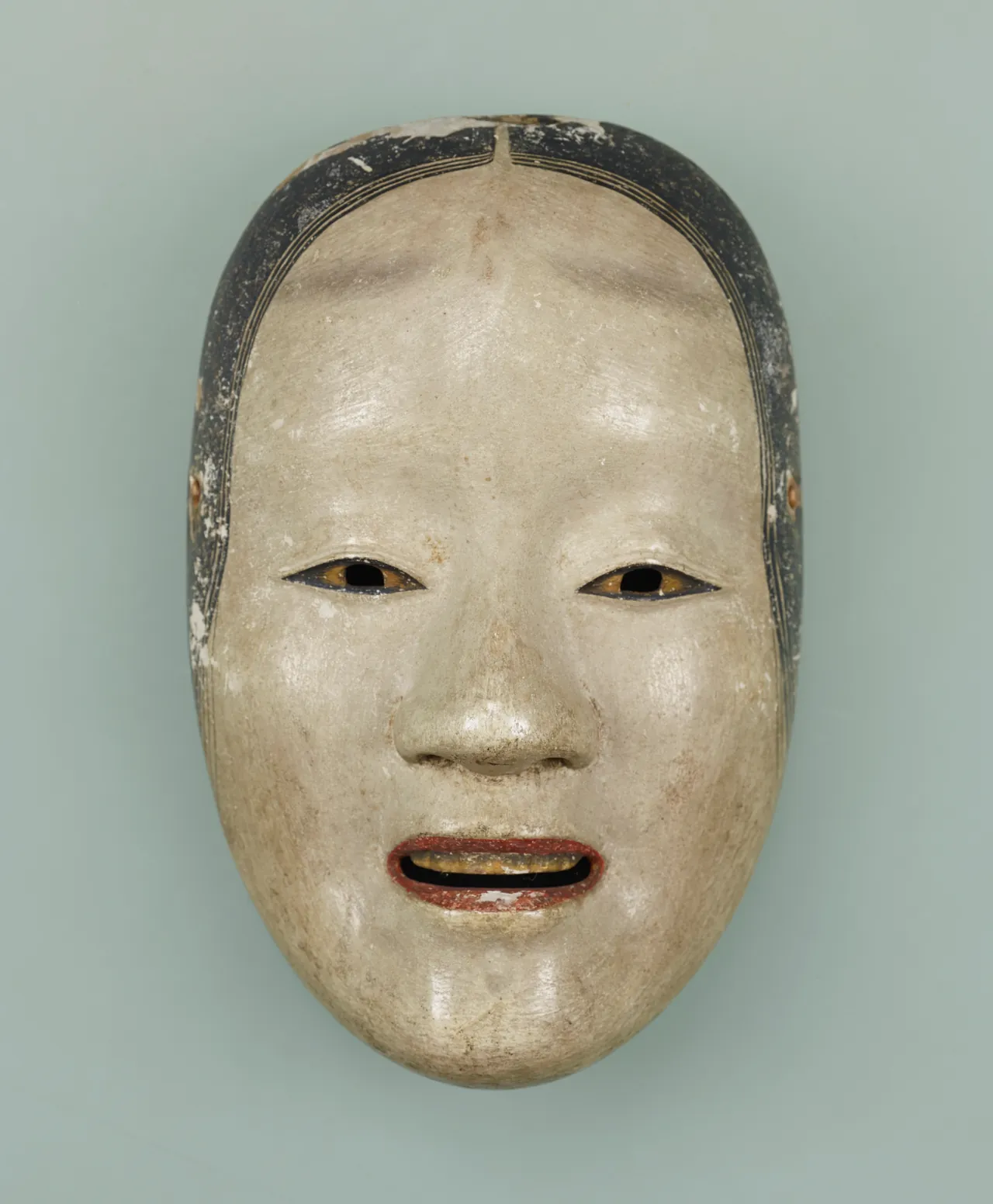
Official collection image · 2016-08-17 photographed; not a recent gallery view.
Exhibited in Kyoto; on loan from Tokyo National Museum.
Published display schedule: 2026-10-06–2026-11-29. Recheck before visiting.
That published display period has ended; current display is unverified.
Official collection photograph: Noh Mask: Deigan, Edo period, 17th century; Tokyo National Museum. Photographed 2016-08-17. Scheduled at Kyoto National Museum, Heisei Chishinkan / special exhibition on The Tale of Genji, 2026-10-06–2026-11-29; recheck before visiting. Not a recent gallery photograph.
Source: ColBase, National Institutes for Cultural Heritage — Tokyo National Museum, C-1538. Proportionally resized and WebP encoded.
Kyoto · Permanent cultural facility
Kyoto National Museum
Trace how a story becomes painting, decorative art and theatre through historic objects. In the autumn 2026 Genji exhibition, the gold-eyed Deigan Noh mask connects literature with the stage.
What to see
- Deigan, on loan from Tokyo National Museum, is catalogue no. 142 and listed throughout 6 October–29 November 2026.
- Look at the gilded eyes and teeth: this mask type evokes an otherworldly presence in plays such as Aoinoue. This is an object display, not a mask-wearing activity or live performance.
- Other paintings, decorative arts and manuscripts rotate; the mask’s full-period listing does not apply to every exhibit.
JR Kyoto Station → your visit
- Take city bus 206 or 208 from boarding point D2 outside Kyoto Station.
- Alight at Hakubutsukan-Sanjusangendo-mae beside the museum. Alternatively, take the JR Nara Line to Tofukuji, transfer to Keihan for Shichijo, then walk east about seven minutes.
Recheck departures, fares and any stop changes with the operators. The museum also estimates a 20-minute walk directly from Kyoto Station.
Official access information ↗Closures & important conditions
Closed Mondays; open Monday holidays and closed the following Tuesday. Closed December 28, 2026–January 1, 2027.
- The photograph is a 2016 TNM collection image of the same object loaned to Kyoto, not a recent Kyoto gallery view.
- The mask’s Kyoto display is scheduled only through 29 November 2026. Recheck changes and closures; no later Kyoto display is established.
- 1–20 December 2026 and 24 March–18 April 2027: garden-only opening; galleries unavailable and regular closure days still apply.
Closure information reviewed: 2026-11-06. Check last-minute changes.
Plan your visit
Checked: 2026-10-31 · a facility guide, not a dated festival listing
Hours & admission arrangements
During the Genji exhibition: 09:00–17:30, last entry 17:00; Fridays until 20:00, last entry 19:30. Other periods differ.
Genji exhibition: adults ¥2,200, university students ¥1,200, high-school students ¥700; younger pupils free with proof. A regular-gallery-only ticket is not available during the special exhibition.
Use the official special-exhibition ticket guidance. Individual timed-reservation requirements were not separately confirmed; talks may have separate application rules.
What still needs checking
- Physical display and any changes on the visit date
- Individual timed-reservation requirements
- This object’s venue after 29 November
- Actual outward/return departures and fares
Official sources & photographs
- Official source 1 ↗
- Official source 2 ↗
- Official source 3 ↗
- Official source 4 ↗
- Official source 5 ↗
- Official source 6 ↗
- Official source 7 ↗
- Official source 8 ↗
- Official source 9 ↗
- Official source 10 ↗
Access to individual areas, exhibits and activities can vary by day.
Announced exhibitions
Periods can include closed days. Open each exhibition for its own conditions.
- The Tale of Genji: The Splendor of Court Culture · 2026-10-06 – 2026-11-29
- Early Calligraphy of the Kokin Wakashu · 2026-12-22 – 2027-01-24
- Animals in Maki-e Lacquer · 2026-12-22 – 2027-02-07
- An Introduction to Buddhist Sculpture · 2026-12-22 – 2027-03-22
- 800 Years since the Karoku Persecution · 2026-12-22 – 2027-01-24
- All About Sheep: Celebrating the Zodiac · 2026-12-22 – 2027-02-07
- Gold and Silver in Textiles · 2026-12-22 – 2027-01-31
- Three Friends of Winter: Pine, Bamboo and Plum · 2026-12-22 – 2027-02-07
- Tea Utensils and Their Accompaniments · 2026-12-22 – 2027-03-22
- Painting and Writing in Harmony · 2026-12-22 – 2027-02-07
- Kettles for the Tea Ceremony · 2026-12-22 – 2027-02-07
- Painting of the Ami School I · 2026-12-22 – 2027-01-24
- Ceramics of Japan and East Asia · 2027-01-02 – 2027-03-22
- Japanese Archaeological Materials · 2027-01-02 – 2027-03-22
- Pioneers of Wazuka Valley: The Person Buried at Harayama Kofun · 2027-01-02 – 2027-03-22
- Miracles of the Buddhas · 2027-01-26 – 2027-02-21
- Looking Closely at Buddhist Sutra Manuscripts · 2027-01-26 – 2027-02-21
- Painting of the Ami School II · 2027-01-26 – 2027-02-21
- Screen and Sliding-Door Paintings of Kenninji · 2027-02-09 – 2027-03-22
- Landscape Painting of the Ming and Qing Dynasties · 2027-02-09 – 2027-03-22
- Paintings of the Buddha’s Nirvana · 2027-02-09 – 2027-03-22
- Words Inscribed in Metal · 2027-02-10 – 2027-03-22
- Hina Festival and Dolls · 2027-02-13 – 2027-03-22
- Medieval Painting · 2027-02-23 – 2027-03-22
- Illustrated Biographies of Kukai · 2027-02-23 – 2027-03-22
- Calligraphy 3 (announced display label) · 2027-02-23 – 2027-03-22
- The Great Kano School, Part I: Muromachi–Momoyama · 2027-04-20 – 2027-05-30
- The Great Kano School, Part II: Edo–Meiji · 2027-06-08 – 2027-07-19